Lifestyle Article
Project overview
This project was initially published on May 11th, 2024, and originated as a sample lifestyle article explaining the health benefits of drinking matcha to a beginner audience. This was written from the perspective of a wellness brand looking to attract potential buyers in the awareness stage to their website.
This article was then edited in June 2025 to adhere to UX writing principles to improve the readability and scannability of the article. This allows the information to be more easily understood and appreciated by everyone.
My role
Content Writer & Content Strategist
Goal
To adapt the original version of this article by following UX principles so that it’s more clear and concise for users who are new to and curious about matcha. The information should be more easily understood so it can be appreciated by everyone.
Challenge
Explain the potential health benefits of matcha in an accessible way without using complex medical or science terms
Give the user the details they need to make an informed decision after learning more about this drink
Process
Considered how to best explain and highlight the benefits and key characteristics of matcha to an audience of readers unfamiliar with this powdered form of green tea
For the original article, outlined key elements and questions I thought would be relevant to a beginner to matcha, in addition to listing out the health benefits
An introduction section (What is Matcha?)
A section on how to select matcha with optimal benefits (How Matcha’s Quality Impacts Its Benefits)
Swapped complex scientific terminology for plain language OR defined unfamiliar terms or left them out when they weren’t essential
Wrote clearer headings and shortened paragraphs to support scannability
In listing out the health benefits, re-ordered them to start with more general to then more specific (energy levels > antioxidants > cardiovascular health) for easier understanding
Sample copy before and after
Example 1
Before
What is Matcha?
Matcha is a powder made up of high-grade green tea leaves from the Camellia sinensis plant. It originated in China, but was made popular by Japanese culture. Matcha gets its umami flavor from being grown in the shade, which increases its chlorophyll and amino acid properties. To prepare matcha, it’s whisked with hot water, forming a bright, green drink with many health benefits.
After
What is Matcha?
Matcha is made up of high-grade green tea leaves ground into a powdered form. While matcha originated in China, it became popular through Japanese culture. Matcha is grown in the shade in a controlled environment, which gives it an umami flavor. A traditional matcha is prepared by adding hot water and whisking until it creates a bright green foam.
Improvements
Removed scientific detail that doesn’t add value to keep the focus on what’s most relevant to users, rewrote into plain language so readers can more easily understand
Broke down long, information-heavy sentences into shorter ones for improved scannability
Refined tone to feel approachable and user-friendly, supporting a smoother reading experience
Clarified the preparation process with simple, action-oriented steps
Example 2
Before
It May Decrease Stress and Improve Your Mood
Matcha also contains higher levels of L-theanine than green tea because of the higher level of nutrients found in the entire leaf. L-theanine is an amino acid that research has shown to have an impact on stress and anxiety relief. It produces alpha waves in the brain, which helps counter the spike created by caffeine, leading to a more calming effect.
After
Matcha May Improve Energy Levels
While matcha does have caffeine, it also contains L-theanine. L-theanine is an amino acid that calms the body by slowing the release of caffeine into your system. Unlike coffee, this offers a more sustainable energy boost and less “jitters.”
Improvements
Rearranged this to be the first headline in the list of benefits and clarified it to be more broad and applicable to users who are potentially new to matcha
Explained scientific terms (“L-theanine”) to continue to educate the user…
…or eliminated them (“alpha waves in the brain”) to avoid unnecessary context
Shortened sentences and paragraph structure for clarity
Takeaways
Health information can be presented in a way that can be overly technical or assumes the reader’s prior knowledge. It can err on the side of formal, serious, or matter-of-fact. Simplifying to an 8th-grade reading level and using a casual tone makes the content approachable for beginners and builds trust with readers who might otherwise feel excluded
By removing jargon and breaking down complex ideas, less can be more – readers engage better when they don’t have to work to understand
Using familiar references (e.g., coffee alternatives, common health terms, wellness trends) helps connect abstract health concepts to more relatable, everyday experiences
Structuring the article around the natural questions a beginner might ask (“What is matcha?” > “What are the benefits?” > “Does quality matter?”) creates a more intuitive flow
Being empathetic toward the reader’s potential mindset – whether they’re curious about a trend or searching for a healthier energy boost – keeps the tone accessible and focused on the user
Below is the full final article.
The Surprising Benefits of Drinking Matcha
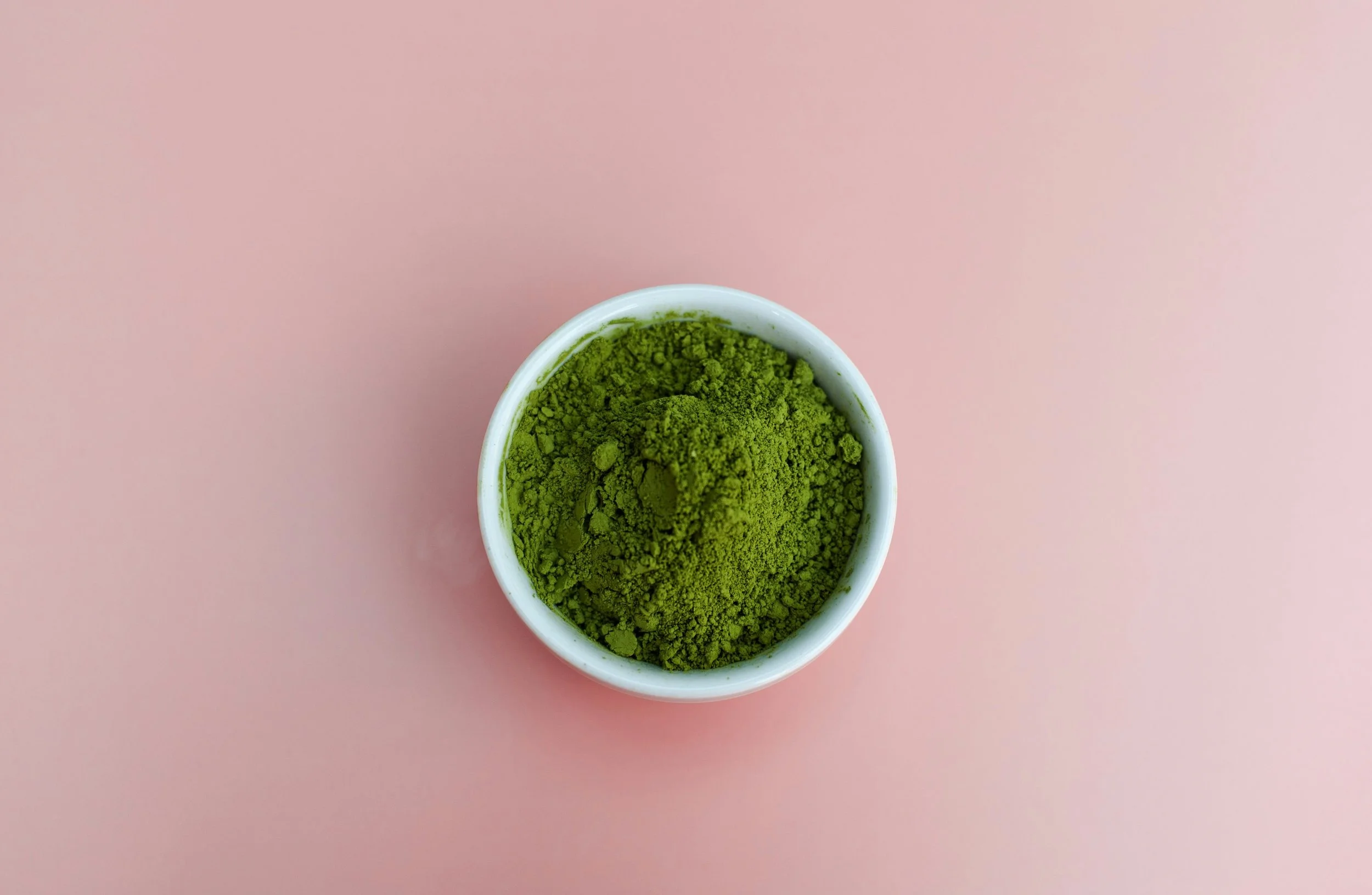
Image credit: UnsplashMatcha is everywhere – its vibrant, green hue is all over social media and café menus. From the early 2000s to the end of 2023, Japan’s tea exports grew from 1% to around 10% of their entire production. But, this ancient powdered green tea is more than a colorful trend. There are unique physical and mental benefits to drinking matcha regularly.
What is Matcha?
Matcha is made up of high-grade green tea leaves from the Camellia sinensis plant. While matcha originated in China, it became popular through Japanese culture. Matcha is grown in the shade in a controlled environment, which gives it an umami flavor. A traditional matcha is prepared by adding hot water and whisking until it creates a bright green foam.
What Are the Health Benefits of Drinking Matcha?
Like traditional green tea, matcha is full of valuable nutrients. But, matcha may have even more health benefits because it consists of the whole tea leaf. If you routinely drink matcha, you may experience some of these advantages.
May Improve Energy Levels
While matcha does have caffeine, it also contains L-theanine. L-theanine is an amino acid that calms the body by slowing the release of caffeine into your system. Unlike coffee, this offers a more sustainable energy boost and less “jitters.”
Full of Antioxidants
Matcha is rich in antioxidants, including epigallocatechin gallate (EGCG), which research has shown to support immunity and cellular health. Results from a 2018 study on mice suggest that matcha may turn on certain brain receptors linked to dopamine and serotonin.
Could Support Cardiovascular Health
Matcha could help lower the risk of cardiovascular disease. Matcha contains catechins, a type of antioxidant, that may help protect your heart. This could include reducing inflammation, preventing plaque buildup, and lowering the risk of heart problems like heart attacks.
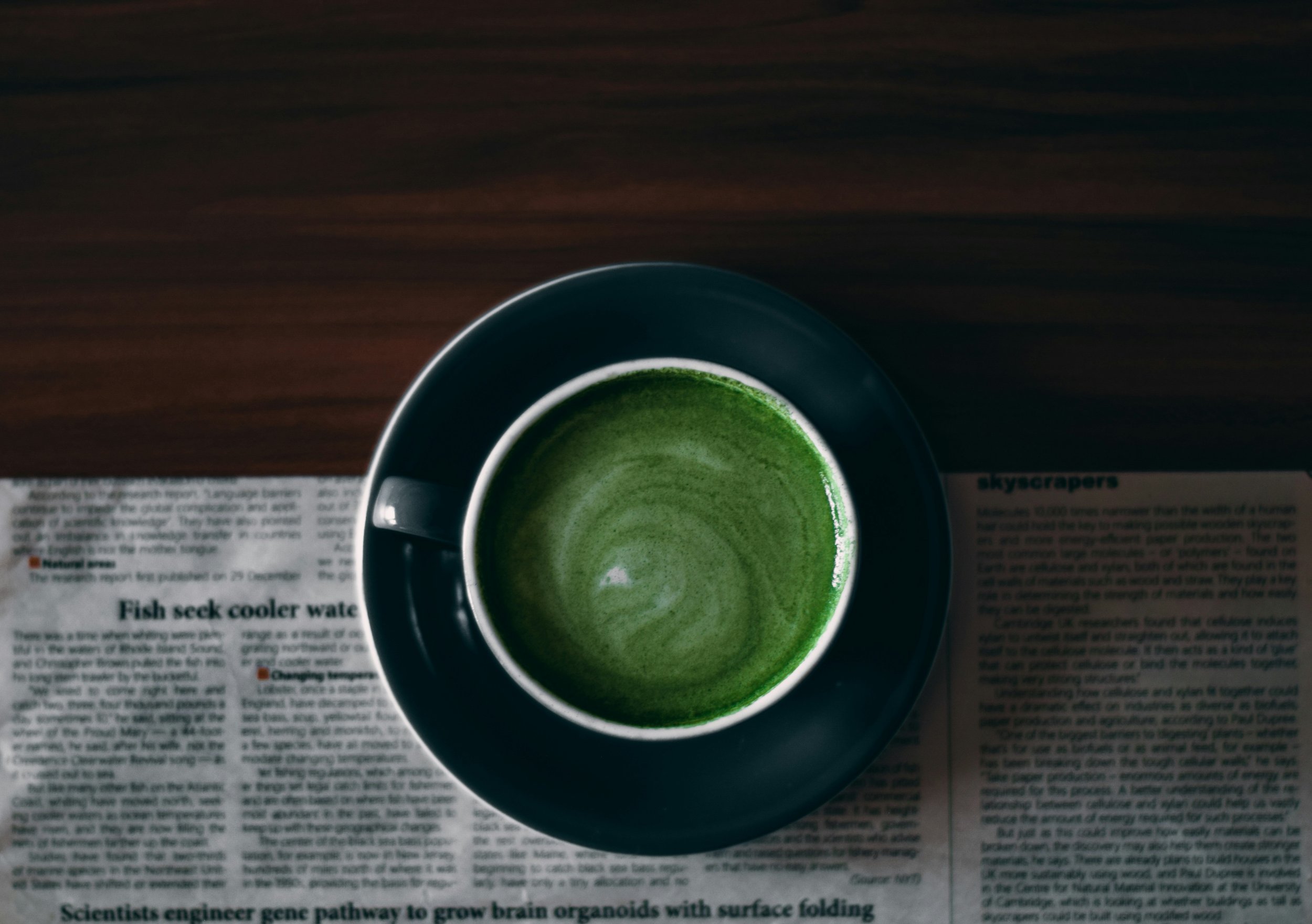
Image credit: UnsplashHow Matcha’s Quality Impacts Its Benefits
It’s important to note that not all matcha is created equal. Like with coffee beans, quality matters. Matcha is grown only in Japan, and each region and growing method can affect its flavor profile and nutrient density.
Whether you’re in line at a café or are browsing endless brands of matcha, there are several things to keep in mind. A primary giveaway of matcha quality is its color. If matcha isn’t processed or stored correctly, matcha can appear a dull color, leading to a bitter taste. Matcha should be a rich green color and without any additives – like sugar – for the best flavor and full health benefits.
For drinking, it’s recommended to choose a ceremonial grade matcha. Ceremonial grade matcha is higher quality and designed for traditional Japanese tea ceremonies.
Is Matcha Right For You?
While matcha doesn’t necessarily have to replace your morning cup of coffee, it’s worth giving it a try. Enjoy matcha as a latte by adding your favorite milk or a strawberry syrup to add a depth of flavor. If anything, explore an increasingly popular drink to see if it’s your cup of tea.