Are There Benefits to Drinking Matcha?
(On spec)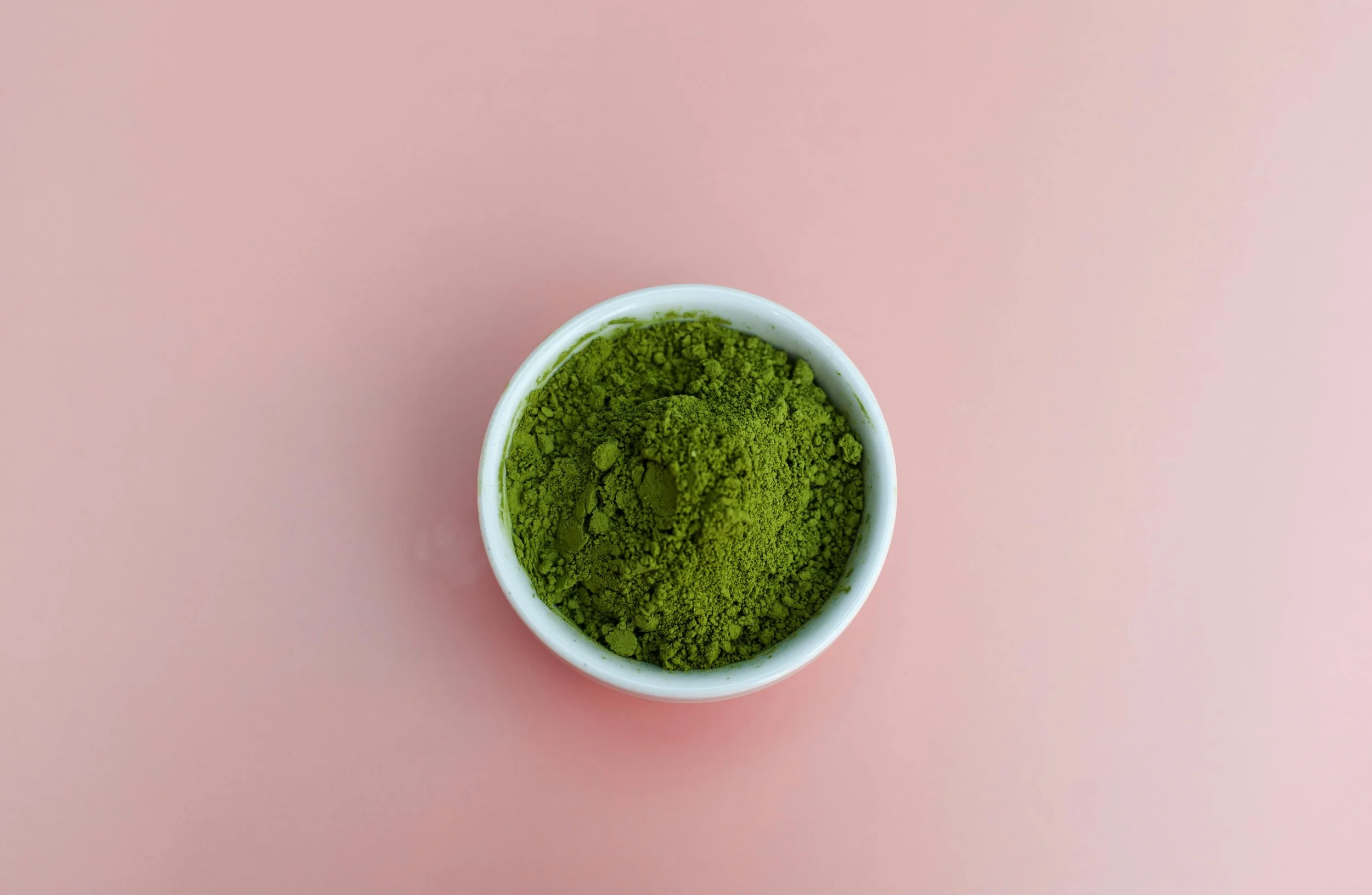
Image credit: UnsplashMatcha seems to be everywhere. From baked goods to elaborate drinks, its vibrant, green hue is brightening up café menus and social media feeds. But this traditional Japanese tea is more than a colorful trend. Matcha contains antioxidants and caffeine, though the potential benefits of drinking matcha are still being studied.
What Is Matcha?
Matcha is a fine powder made from green tea leaves from the Camellia sinensis plant. It originated in China and later became popular in Japan, where it remains a key part of tea culture.
Matcha vs. Green Tea: What's the Difference?
Both matcha and green tea come from the same plant, but farmers process them differently. Green tea usually grows in direct sunlight, while matcha grows in the shade. This process affects their chlorophyll and amino acid levels.
When you drink matcha, you consume the powdered leaves mixed into your drink. By contrast, green tea leaves are steeped in water, and you may remove the leaves before drinking.
The Potential Benefits of Drinking Matcha
Researchers have studied green tea more extensively than matcha. As Harvard Health Publishing explains, even with similar compounds, more research is needed to understand matcha's effects on human health.
L-theanine: Matcha contains L-theanine, an amino acid that researchers have studied for its potential effects on stress and anxiety. Some research suggests it may promote relaxation, but more evidence is needed to understand its effects on people who drink matcha.
Catechins: Matcha and green tea both contain catechins, a type of antioxidant. Researchers have studied their potential health effects, but more research is needed to understand how matcha affects human health.
Caffeine: Matcha contains caffeine, which can boost alertness. It offers an alternative to coffee, though its effects depend on how much you drink and how sensitive you are to caffeine.
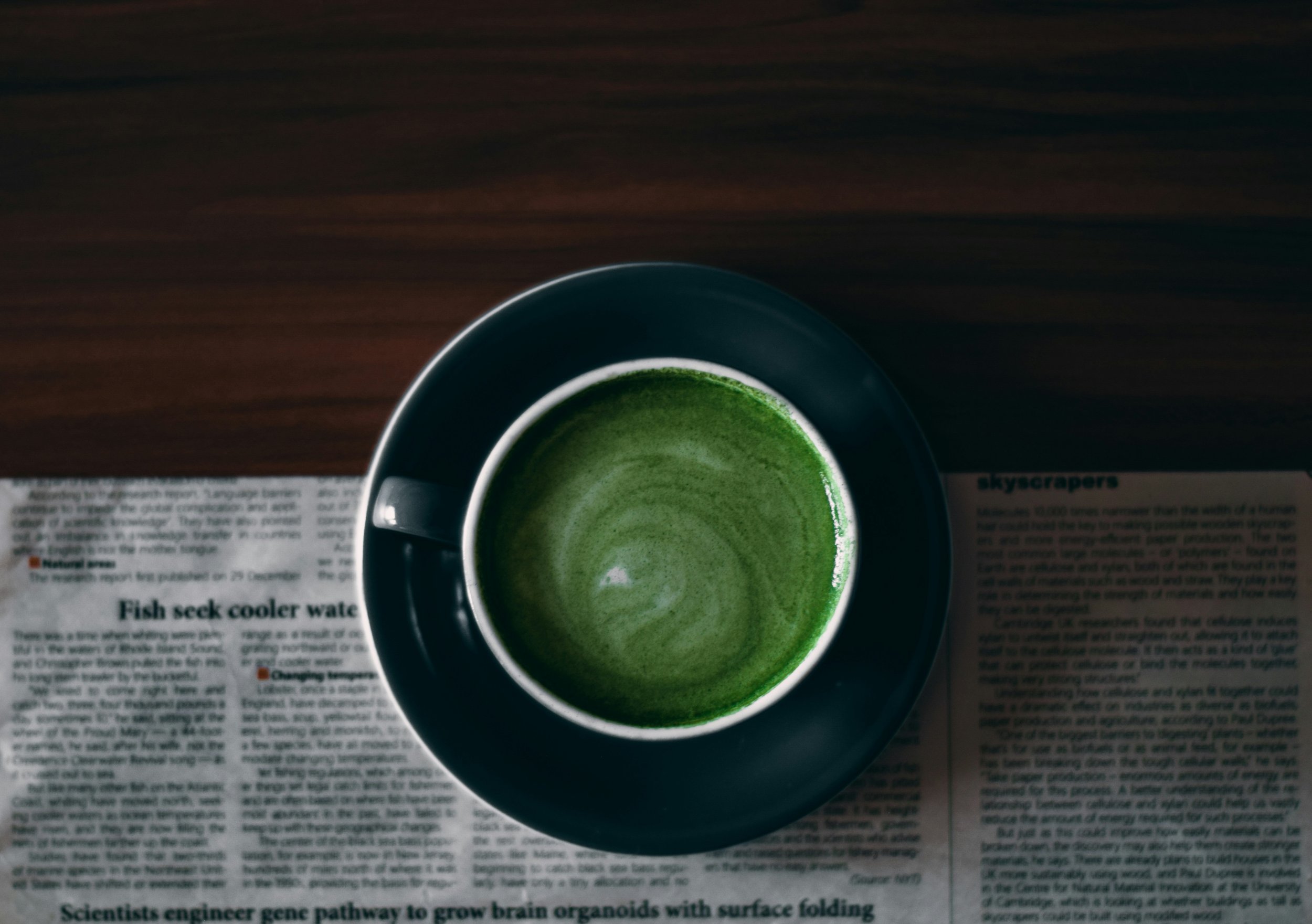
Image credit: UnsplashHow to Choose Quality Matcha
As with coffee, the quality of matcha can affect its taste. Matcha is only grown in Japan, and its flavor can vary by region and preparation method.
Whether you're ordering at a café or browsing matcha brands, there are a few things to consider. Color can be a clue: High-quality matcha has a rich green color, while matcha that has been stored poorly may look dull or yellow-brown. It can also taste very bitter or stale.
For the best flavor, look for matcha without any other added ingredients like sugar.
How to Drink Matcha
Matcha’s precise growing environment is where it gets its unique umami taste, making it a savory and flexible drink base. To prepare it, whisk the powder with hot water until smooth. You can enjoy it on its own or add your milk of choice. Vanilla and cinnamon can also add a little extra warmth to balance its flavor.
Is Matcha Right For You?
Matcha offers a different way to enjoy your caffeine, and its distinct taste may surprise you. While researchers continue to explore its potential health benefits, whether you enjoy it may come down to taste and how it fits into your routine.